

Is Your Old House Wiring Dangerous? When You Need Immediate Rewiring
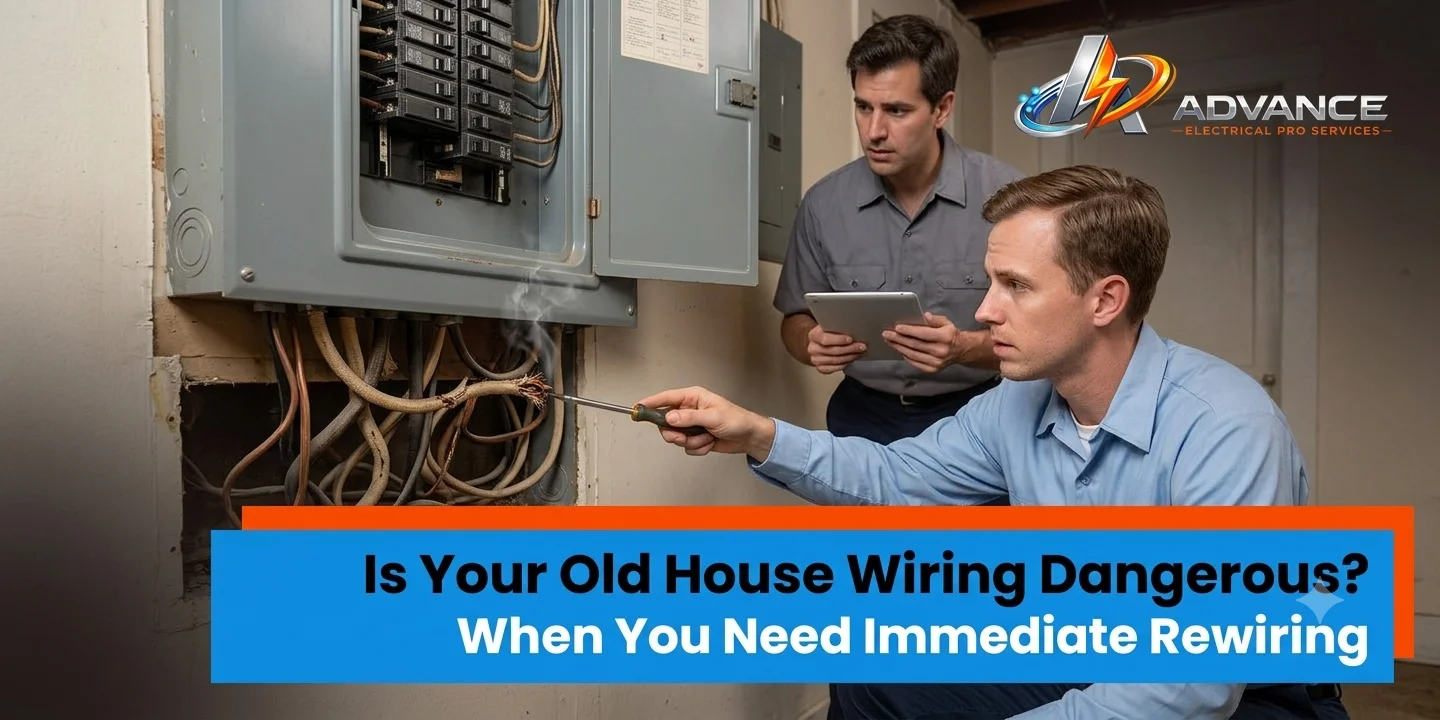
Older homes are full of charm, craftsmanship, and character, but behind their walls may be an electrical system that hasn’t aged as gracefully. While outdated flooring or aging plumbing is easy to spot, old electrical wiring often remains hidden until a serious problem occurs. Unfortunately, faulty wiring is one of the leading causes of residential electrical fires, making it a risk that homeowners should never ignore. If your home is several decades old and still has much of its original wiring, it’s important to understand the warning signs of electrical deterioration. Ignoring these issues can put your family, property, and valuable electronics at risk. In this blog, we’ll explain why old house wiring can become dangerous, the signs that indicate you may need immediate rewiring, and when it’s time to call a licensed electrician.
Why Old House Wiring Can Become Dangerous
Wiring Naturally Deteriorates Over Time
Like any part of your home, electrical wiring has a lifespan. Over the years, the protective insulation surrounding wires can become brittle, crack, or deteriorate due to age, heat, and normal wear. As wiring ages, electrical connections may also loosen. Loose connections create electrical resistance, which generates heat whenever electricity flows through the circuit. Over time, that heat can damage surrounding materials and increase the risk of electrical fires.
Older Electrical Systems Weren’t Built for Modern Living
Homes built 40 or 50 years ago were designed for a completely different lifestyle. At the time, households typically powered a refrigerator, a television, a few lights, and several small appliances. Today’s homes rely on central air conditioning, computers, gaming systems, smart home technology, kitchen appliances, home offices, entertainment systems, and dozens of devices charging every day.
Outdated Wiring Materials Can Create Safety Risks
Some older homes still contain wiring systems that are no longer commonly installed in modern construction. For example, knob-and-tube wiring and certain aluminum wiring systems may require professional evaluation, especially if they’ve deteriorated or have been modified over the years. It’s important to understand that not every older wiring system is automatically dangerous. The overall condition, installation quality, and maintenance history all play an important role. However, if your home contains aging wiring materials, a professional inspection is strongly recommended to determine whether rewiring is necessary.
Warning Signs Your House May Need Immediate Rewiring
Electrical wiring usually gives warning signs before it completely fails. Recognizing these symptoms early can help prevent expensive repairs and dangerous situations.
Frequent Circuit Breaker Trips: Circuit breakers are designed to protect your home’s electrical system. If breakers trip occasionally after using several high-powered appliances, that’s normal. However, repeated breaker trips throughout your home often indicate overloaded circuits, deteriorating wiring, or other electrical problems that require professional attention.
Flickering or Dimming Lights: Do your lights flicker whenever the microwave, vacuum cleaner, or air conditioner turns on? This often indicates that your electrical system is struggling to distribute power consistently. Loose wiring or overloaded circuits can both contribute to these fluctuations.
Burning Smells or Scorch Marks: A burning odor coming from an outlet, switch, or inside the walls should never be ignored. Similarly, black scorch marks around outlets or switches usually indicate overheating or electrical arcing. These are urgent warning signs that require immediate inspection by a licensed electrician.
Warm Switches or Electrical Outlets: Electrical outlets and light switches should remain cool during normal operation. If they feel warm or hot to the touch, excessive electrical resistance may be generating dangerous heat inside the wiring.
Buzzing Sounds from Outlets or Walls: Electricity should flow silently through your home’s wiring. Buzzing, humming, or crackling noises often indicate loose electrical connections or arcing, both of which can significantly increase the risk of fire.
Two-Prong Outlets Throughout the Home: Many older homes still have two-prong outlets instead of grounded three-prong receptacles. While these outlets may still function, they often indicate an older wiring system that lacks modern grounding protection. This increases the risk of electrical shock and limits the safe use of today’s electronics.
Discolored or Damaged Outlets and Switches: Discoloration, melted plastic, cracked outlet covers, or damaged switches are often signs that excessive heat has already affected your electrical system. Ignoring these visible warning signs can allow more serious problems to develop.
What Can Happen If You Ignore Faulty Wiring?
Ignoring faulty wiring won’t make the problem go away—in fact, it usually becomes more dangerous over time. As wiring deteriorates, damaged insulation, loose connections, overloaded circuits, and electrical arcing can generate excessive heat, significantly increasing the risk of an electrical fire. Because these issues often develop behind walls, they may go unnoticed until serious damage has already occurred. Faulty wiring can also create electric shock hazards, especially in older homes with outdated or ungrounded electrical systems. Beyond safety concerns, unstable wiring can cause voltage fluctuations that damage expensive appliances and electronics, including refrigerators, HVAC systems, computers, and televisions. You may also notice recurring electrical problems such as flickering lights, frequently tripped breakers, or outlets that stop working unexpectedly. If left unaddressed, these seemingly minor issues can escalate into major electrical failures that require costly emergency repairs or extensive rewiring. Having your wiring inspected and repaired at the first sign of trouble is a proactive step that helps protect your home, your family, and your investment.
When Does Your Home Need Immediate Rewiring?
While every home is different, there are several situations where immediate rewiring should be seriously considered. If your home is more than 40 to 50 years old and has never been rewired, its electrical system may no longer meet today’s safety standards or power requirements. You should also schedule an inspection if your wiring fails a professional electrical evaluation or if an electrician identifies damaged insulation, loose connections, outdated wiring materials, or overloaded circuits. Planning a major home renovation is another ideal time to assess your wiring. Opening walls provides an opportunity to replace aging electrical systems before new finishes are installed. Visible damage—including frayed wires, burned outlets, scorch marks, or repeated electrical problems—should always be treated as a warning that immediate repairs or rewiring may be necessary. Finally, if your home still relies on obsolete wiring systems or you’re experiencing multiple warning signs such as flickering lights, buzzing outlets, and recurring breaker trips, delaying repairs only increases the safety risk.
Why Professional Rewiring Is Essential
Whole-home rewiring is one of the most complex residential electrical projects. It requires careful planning, knowledge of current electrical codes, proper circuit design, and safe installation practices. Attempting to repair or replace wiring without professional training can create serious safety hazards, increase the risk of electrical fires, and result in costly code violations. A licensed electrician can properly evaluate your home’s electrical system, determine whether full or partial rewiring is necessary, and complete the work safely using approved materials and installation methods. Professional rewiring also helps ensure your home’s electrical system is prepared to safely support modern appliances and future electrical needs.
Trust Advance Electrical Pro for Safe Home Rewiring
When it comes to electrical wiring, experience matters. At Advance Electrical Pro, we specialize in professional electrical inspections, whole-home rewiring, wiring upgrades, and residential electrical safety services. Our licensed electricians thoroughly inspect older wiring systems, identify hidden hazards, and recommend the safest and most cost-effective solution for your home. Every rewiring project is completed according to current electrical codes using high-quality materials and proven installation techniques. Whether you’re dealing with aging wiring, recurring electrical issues, or planning a renovation, our team is committed to protecting your home with safe, reliable electrical solutions. If you suspect your home’s wiring may be outdated or unsafe, don’t wait until a small electrical issue becomes a major emergency. Schedule a professional inspection with Advance Electrical Pro and gain peace of mind knowing your electrical system is built to keep your family safe.
Conclusion
Old house wiring isn’t always dangerous—but it should never be taken for granted. As electrical systems age, worn insulation, loose connections, outdated wiring materials, and increasing power demands can all create hidden hazards that remain unnoticed until a serious problem occurs. Recognizing the warning signs early, including flickering lights, burning odors, warm outlets, buzzing sounds, and frequent breaker trips, gives you the opportunity to address issues before they become costly or dangerous. If your home is several decades old or you’re experiencing recurring electrical problems, a professional wiring inspection is one of the smartest investments you can make. Contact Advance Electrical Pro today to determine whether your home needs immediate rewiring and ensure your electrical system is safe, reliable, and ready for the future.